
The best custom sportswear looks planned from the start. The colours, patterns, logos, names and numbers do not feel added afterwards. They work together across the garment, so the finished kit carries the team, school, club or business identity as one complete design.
Sublimation printing can help achieve that result on compatible clothing. It is a strong option when you need detailed full-colour designs, coordinated teamwear, sponsor marks, player numbers or garment-wide colour planning. It is not the right method for every fabric or every branding job, so the first question is not only, “Can this design be printed?” The better question is, “Does this garment suit sublimation?”
CRC Clothing & Branding works with teams, schools, clubs, businesses, organisations and resellers that need custom apparel and sportswear planned properly before production. If you are still comparing branding options, this page will help you understand what sublimation does, where it works best and what information to send when you request a quote.
What sublimation printing actually does
Sublimation printing is a process that uses heat to transfer dye into a compatible polyester-based material or a suitable polymer-treated surface. Instead of placing a separate layer of ink on top of the garment, dye sublimation printing bonds the colour into a textile surface that can accept it.
That difference matters when you are planning custom clothing. With many surface branding methods, the logo or design is applied to a finished garment in selected positions. With sublimation, the design is planned as part of the compatible garment surface, which is why the fabric, cut, panels, colours and artwork all need to be considered together.
For a broader technical overview, the Sublimation Printing Process explains the basic method. For your order, the practical takeaway is simpler: sublimation works only when the chosen garment and artwork suit the process. A detailed design on screen still has to be matched to a compatible fabric and a workable garment layout.
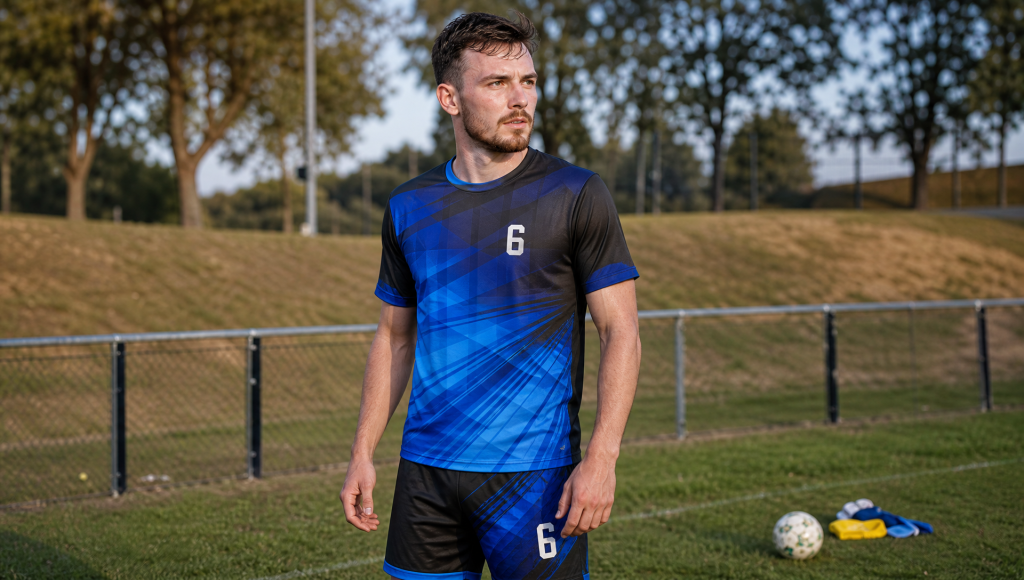
Fabric compatibility comes before artwork approval
Sublimation is usually associated with polyester apparel because the process depends on a compatible material. It should not be treated as a universal answer for every shirt, jacket, cap or corporate clothing item. If the fabric cannot accept the dye correctly, the final result may not match the expectation created by a full-colour digital mock-up.
The garment shape also affects the design plan. Seams, sleeves, collars, panels and cut lines can influence where colour blocks, logos, names and numbers should sit. A design that looks balanced on a flat preview may need adjustment once it is planned around the actual garment construction.
If you already know the garment you want, include it with your enquiry. If you have a design idea but have not chosen the garment, CRC can help discuss suitable custom clothing or sportswear options before preparing the quote. That order of decisions helps prevent artwork from being developed around a garment that is not suitable for sublimation.
Where sublimation works best for custom sportswear
Sublimation is most useful when the garment needs more than a single logo position. It suits projects where colour, pattern, branding and personalisation need to be built into one visual system. That is why it is often considered for sublimated sportswear, team kits and performance-style apparel where identity needs to be visible from every angle.
A club kit, for example, may need sleeve graphics, sponsor logos, player numbers, names and a colour pattern that carries through the front and back. A school or organisation may need several garments to feel connected across different teams. A reseller may need clear layout planning before presenting the final idea to a client. In each case, sublimation allows the design to be planned as part of the compatible garment rather than treated as separate branding pieces added later.
CRC works with custom sportswear applications such as Rugby Kits, Football Kits, Netball Dresses and Cycling Jerseys. The same planning principles can apply to other compatible custom garments where full-colour designs, logos, names and numbers need to be coordinated.
When embroidery may be the better choice
Sublimation and embroidery are not interchangeable finishes. They solve different branding problems. Sublimation is suited to compatible garments with detailed artwork, colour coverage, patterns, names, numbers and multiple layout elements. Embroidery is often a better fit for selected logos, polo shirts, jackets, corporate clothing and garments where a stitched finish is preferred.
A football kit with sponsor marks and individual numbers may be a strong sublimation project. A corporate golf shirt with one chest logo may not need sublimation at all. Some clothing projects may even need more than one method across different items, especially when sportswear, staff clothing and promotional garments are part of the same order.
CRC offers both sublimation and embroidery within its custom apparel and branded clothing work, so the discussion can start with the garment and the finished look you want rather than a fixed production method. That is often the most practical way to avoid choosing a process that does not suit the clothing.
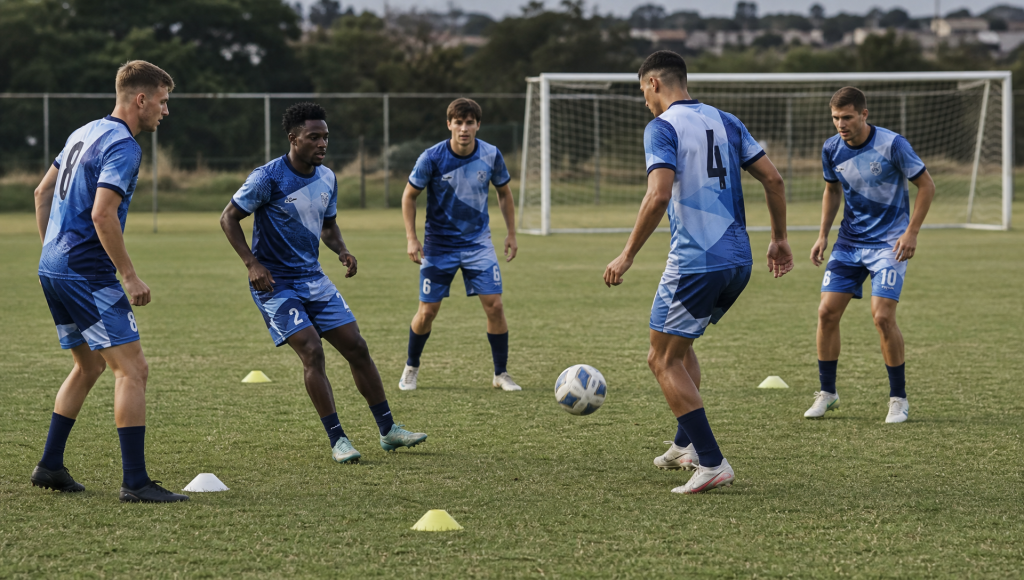
Artwork details that shape the final garment
Good sublimated clothing starts with organised artwork. Because the design is planned into the compatible garment surface, CRC needs to understand more than the main logo. The overall colour direction, placement of sponsor marks, team identity, individual names, numbers and any layout references all affect the quote and design preparation.
Clear logo files are also helpful. A small, blurry or low-quality logo can limit how cleanly a design can be prepared. If you are unsure whether your files are suitable, send what you have and explain where the logo should appear. CRC can then advise what may be needed before the design is finalised.
For schools, clubs and resellers, it helps to separate confirmed details from open decisions. You may already know the garment type and quantity, while the colour layout or sponsor placement still needs design support. Stating that clearly makes the quote request easier to assess and keeps the project moving in the right direction.
What to send when you request a quote
A useful sublimation printing enquiry gives enough information to check suitability, not only price. The more clearly you describe the garment and design requirements, the easier it is for CRC to prepare the right next step.
Include the details you already have:
- the garment type, such as a rugby kit, football kit, netball dress, cycling jersey or another custom garment;
- the estimated quantities required;
- available logo files, artwork or brand elements;
- team, school, club, organisation or business colours;
- design ideas, references or layout instructions;
- any names, numbers or individual personalisation required;
- whether you are also considering embroidery for selected items.
You do not need every design answer before making contact. If the project is still at idea stage, send the confirmed details first and explain where you need guidance. CRC can help determine whether sublimation is suitable for the garment and whether another branding method should be considered for part of the order.
Design support and in-house manufacturing
CRC operates from Rosslyn, Pretoria, with custom sportswear, team kits, branded clothing, sublimation and embroidery forming part of its clothing and branding work. Manufacturing is completed in-house, which helps connect the garment decision, design preparation and branding method before production begins.
That coordination is useful for commercial buyers because a sublimated garment is not only a print request. The compatible fabric, garment panels, colour layout, artwork quality and personalisation details all need to line up. When design support and manufacturing are part of the same planning process, the discussion stays focused on what can be produced for the garment you need.
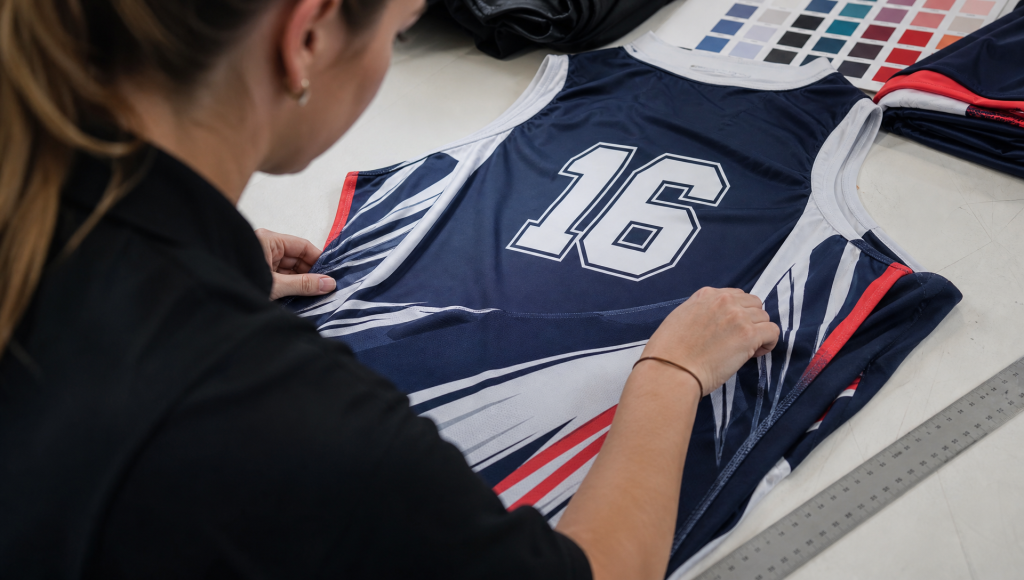
Check whether sublimation suits your garment
Sublimation may be the right choice if your project needs compatible custom clothing or sportswear with full-colour designs, planned patterns, logos, names or numbers. It is especially useful when the garment should look designed as a complete item rather than branded in one or two separate positions.
Another method may be better if the garment is not compatible with sublimation, if you only need simple logo placement, or if a stitched finish is preferred for selected corporate clothing, jackets or polo shirts.
To start, send your garment requirements, logo, colours, design ideas, quantities and any names or numbers through the
CRC can help check whether sublimation printing suits your clothing project and prepare the next step for your custom apparel or sportswear order.