
Sports team uniform sizing: how to collect sizes without guesswork
One person is usually left to collect sizes for everyone, and that is where mistakes start. A good sports team uniform sizing process keeps the order organised from the beginning, so you can separate garment choice, size collection, names and numbers, and final approval before anything goes into production.
The easiest way to avoid confusion is to treat sizing as a series of small checks rather than one rushed request for “everyone’s size.” Different garments fit differently, and names or numbers should never be matched to the wrong item record. If you are planning a team order for players, staff or school groups, the goal is to build a clear list that can be reviewed before manufacturing starts.
Start with the garment list
Before you ask anyone for a size, confirm what you are actually ordering. A polo shirt, jersey, shorts, hoodie or tracksuit top will not always fit the same way, so the garment matters first. That is why teamwear sizing should always begin with the items, not with a single size for the whole group.
For a team order, it helps to list each garment category separately. A player may need a jersey and shorts in one size, while a coach may need a different combination. A school order can also include more than one item type, especially where uniforms are worn across training, travel and match days. Keep those items separate from the start so the record matches the actual order.
At this stage, browse the Collections page and confirm which products are being considered. Once the garment mix is fixed, the rest of the sizing process becomes much easier to manage. You can then gather the right product details, compare the options and build a size list that reflects the exact items your team will receive.
Use garment-specific sizing information
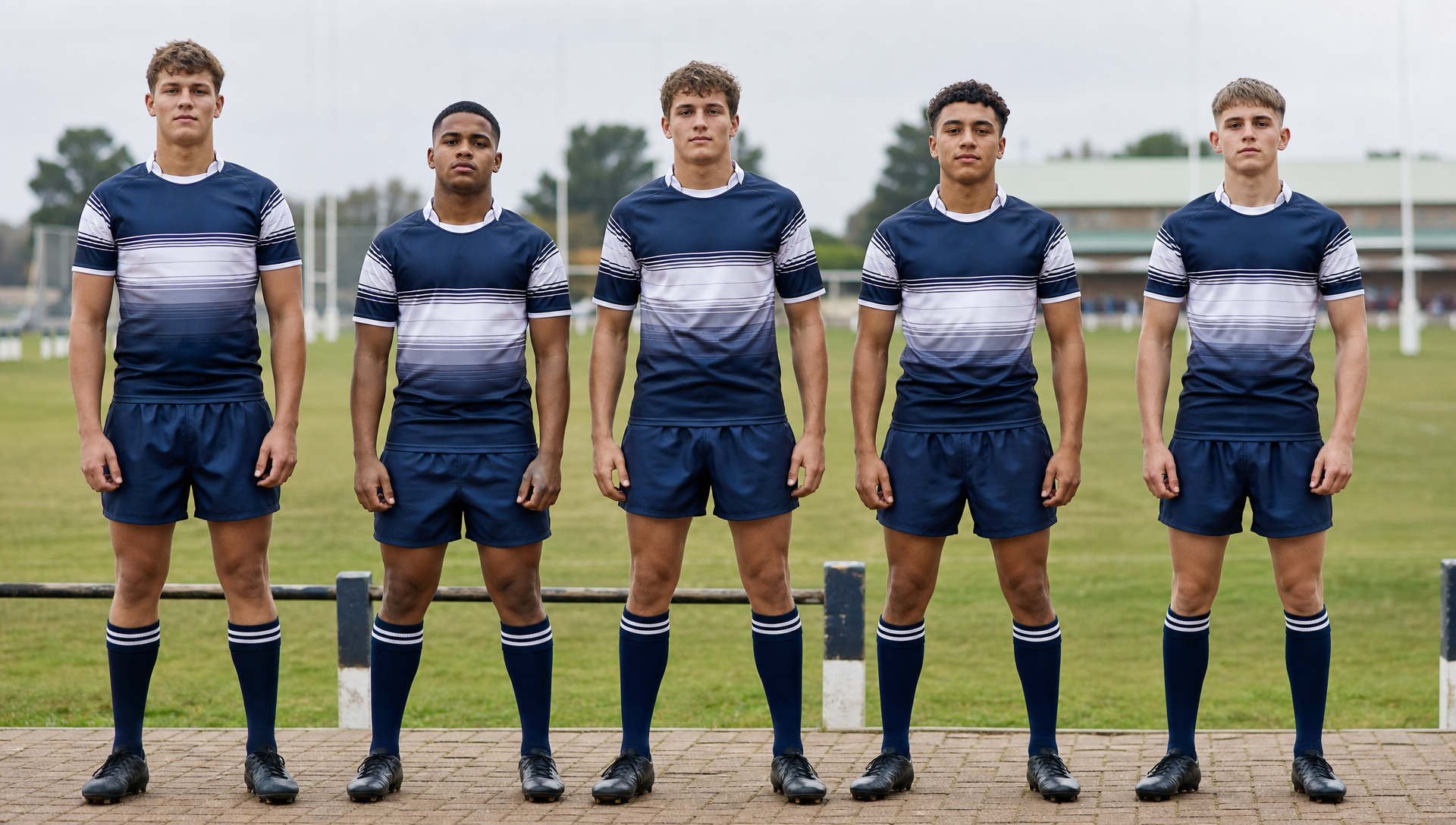
There is no reliable universal chart for every uniform item. Custom sportswear sizes must be checked against the specific garment or product category you are ordering. That is because the fit can vary from one item type to another, even within the same team order. A size that works for one style may not be the best match for another. For consistent body-measurement terminology, ISO 8559-1 defines anthropometric measurements used in clothing sizing.
This is where a proper teamwear sizing guide matters. Instead of guessing, confirm the sizing details for each selected product. Use the sizing information that relates to that garment, then apply it to the order list you are building. That approach keeps the process tied to the actual item, which is far safer than trying to force every person into one generic size structure.
If you are managing a mixed order, check each product category on its own. That means looking at the garment-specific information for the items you have chosen, rather than assuming a shirt size will automatically work for shorts, or that a hoodie size will behave like a jersey size. The point is not to make the process more complicated. The point is to make it accurate.
CRC works as a custom apparel manufacturing and design partner, so the product details you use should always be connected to the garments in your order. If you need to compare item types before collecting sizes, go back to the relevant product or category pages and confirm the details there. Once the product choice is fixed, you can collect sizes with much more confidence.
Build a size record that matches the order
A clean sports uniform size collection starts with a simple record sheet. The sheet should match your order, not a generic sign-up list. Every row should belong to one person, and every column should help you link that person to the right garment and size.
At minimum, record the following for each person: their name, the garment item, and the size for that specific item. If the order includes more than one piece, record each item separately. Do not write one size beside a person’s name and assume it applies to the whole uniform. A player may need different sizes across different garments, so the record has to show the full order clearly.
It also helps to include a notes column. Use that space for anything that affects the garment choice or fit preference. For example, someone may be wearing a size they already know from a previous uniform, or they may want a fit that allows room to move. Keep those notes short and specific. The aim is not to add extra detail for its own sake. The aim is to make the order easy to read when it is checked later.
If growth is a factor, note that separately and clearly. This is especially useful for school teams where a uniform may need to work across a season. Do not use growth notes to replace a size entry. Record the chosen size first, then add the note so the final list still shows an exact garment size for every person.
It is also smart to keep your size records and your personalisation records apart until both are confirmed. That way, you are not trying to solve too many things in one line. The size sheet should answer one question: what size does each person need for each item? Once that is settled, you can move on to names and numbers.
Collect names and numbers in a separate step
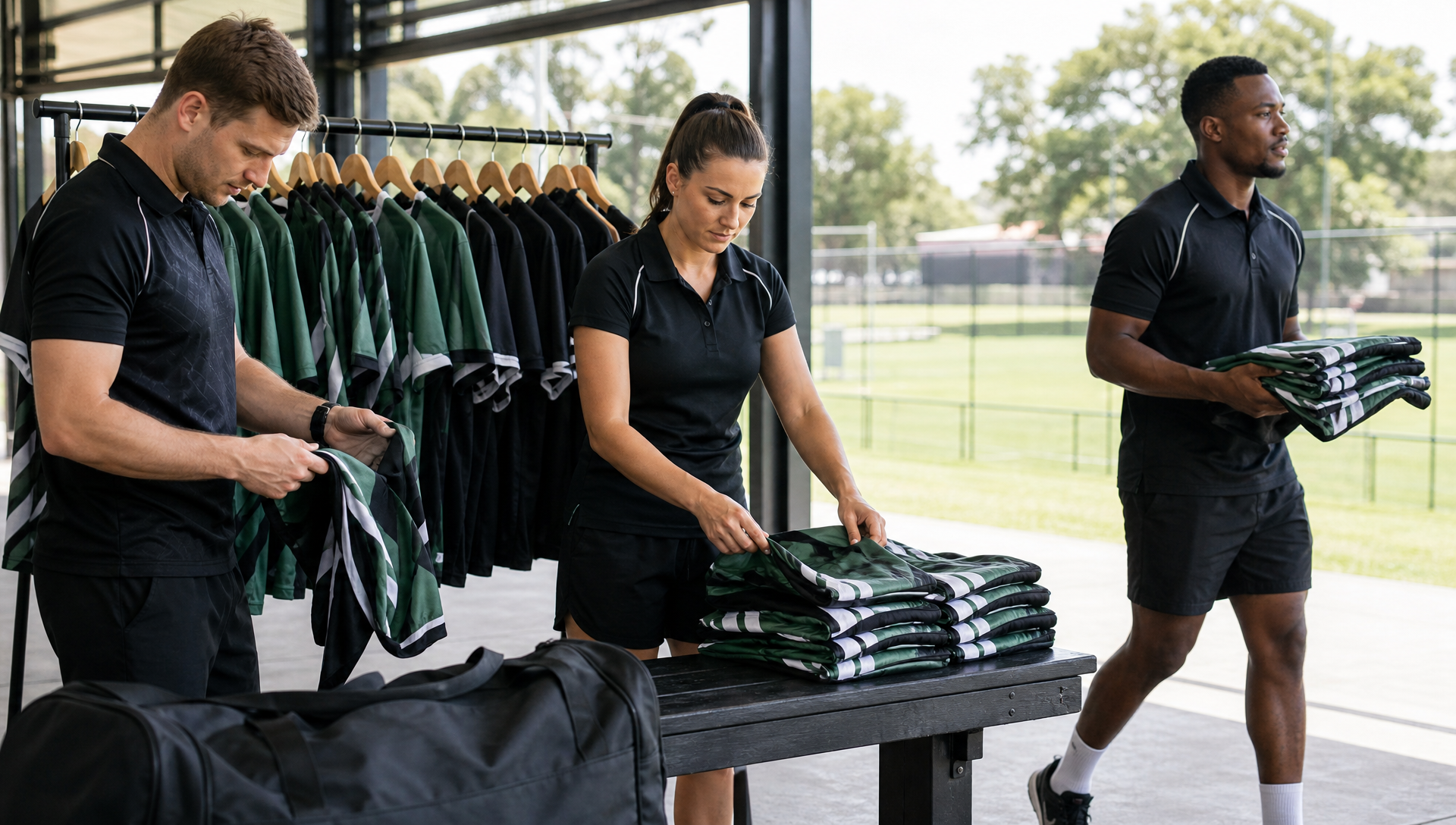
Names and numbers are where simple order sheets often go wrong. If personalisation details are written too early, they can end up linked to the wrong garment or the wrong size record. To avoid that, treat names and numbers as a separate stage after sizing has been confirmed.
Build a list that links each person to their name and number exactly as they should appear on the garment. Then match that information back to the same person’s size record. This keeps the order organised and reduces the risk of a mix-up between two players with similar names or between two items in the same uniform set.
For example, do not group all names in one block and all numbers in another without a clear match. Keep each entry connected to the correct person and the correct item. If one person is receiving more than one personalised garment, make sure the name and number are attached to the right piece every time. That is especially important where different items in the same order need different size information or different placement instructions.
When you have finished matching names, numbers and sizes, review the full list once more before sending it on. This is the stage where errors can still be caught, especially if the team order has changed during collection. A few careful minutes here can save a much bigger problem later.
Check everything before production starts
The final review should be practical and complete. Before anything enters production, confirm that the garment list, size records and personalisation details all line up. A strong team kit sizing process is not about collecting more information than you need. It is about collecting the right information in the right order.
- Are the garments confirmed and listed in the order you want them made?
- Have you recorded the size for each person and each item separately?
- Are names and numbers linked to the correct person and the correct garment entry?
- Have fit notes, carry-over details or growth considerations been added where needed?
- Have you reviewed the list for spelling, matching and missing entries?
Once that checklist is complete, the order becomes much easier to manage. You are no longer relying on memory, messages or scattered notes. Instead, you have one organised record that can be reviewed before the garments move into manufacture. We can then review your details in an organised form and work from a clearer brief.
That review step matters because it keeps sizing and personalisation separate until the end. It also gives you one more chance to catch incomplete information before the order is submitted. If a person’s size has not been recorded for every garment, or if a number has been entered against the wrong name, this is the moment to fix it.
For school coordinators, club organisers and team managers, that final check is often the difference between a smooth order and a stressful one. A clean record means fewer back-and-forth questions and a better chance that the production details reflect what was actually requested.
Submit your team list for a custom quote
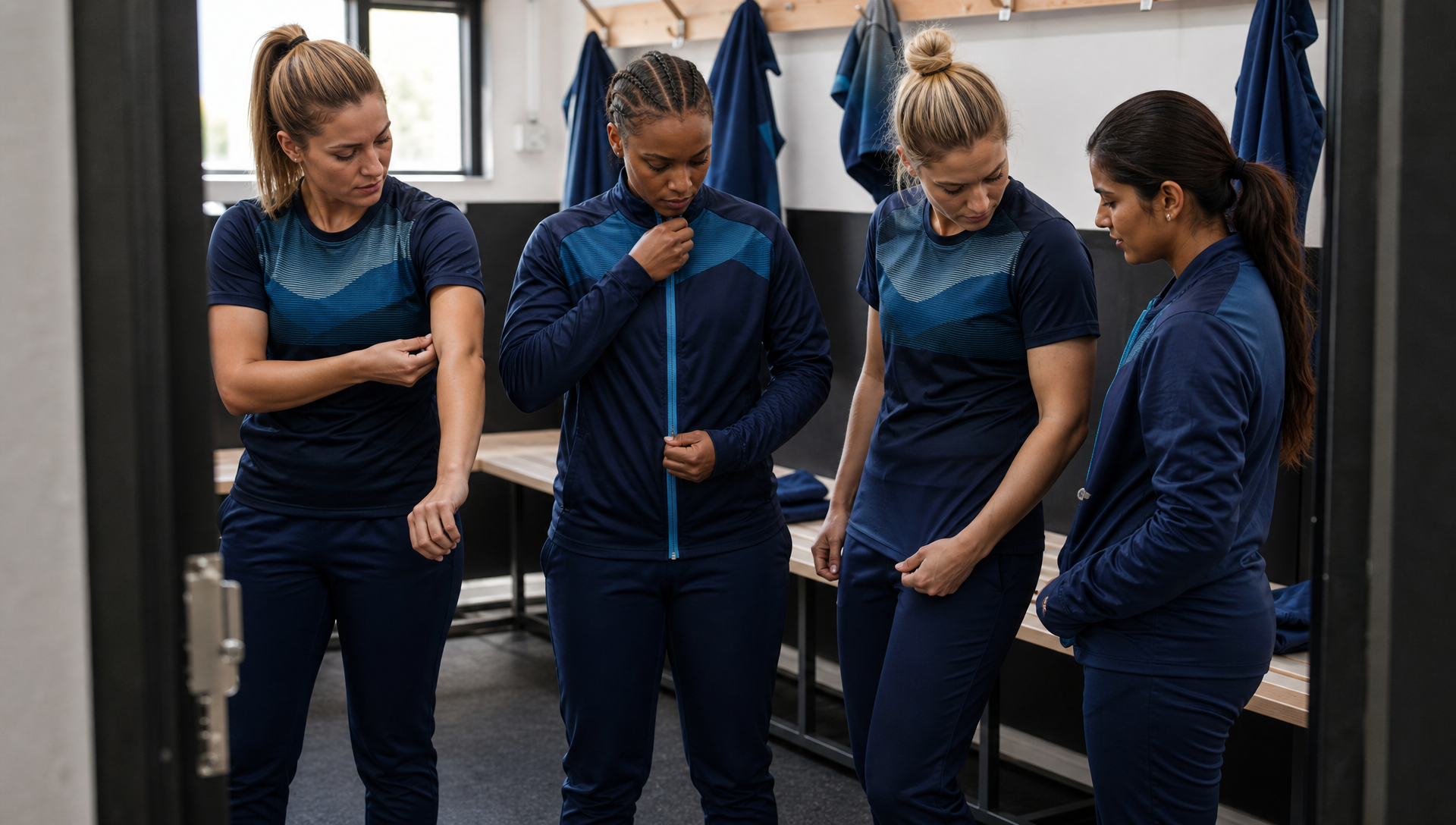
When your garment list, sizes and personalisation details are ready, send them through with your quote request. The clearest way to do that is to submit one organised list with the selected garments, each person’s size per item, and the names and numbers matched to the correct entries. You can use the quote form once your team record is complete.
If you have not chosen the items yet, begin with the Collections page and confirm the garments first. Then use the relevant product-specific sizing information to build your list with confidence. A proper sports team uniform sizing process makes the order easier to check, easier to approve and easier to move forward.