
A strong team range is not built from one garment at a time. The playing kit, warm-up clothing, travel gear and branded apparel all need to look as if they belong to the same squad, school, club or organisation. Colours must carry through properly. Logos need the right placement. Names, numbers and sizes have to be organised before the order becomes difficult to control.
CRC Clothing & Branding helps South African teams, schools, clubs, businesses, organisations and resellers turn custom sportswear South Africa requirements into coordinated orders. From its base in Rosslyn, Pretoria, CRC supports custom apparel manufacturing, design and branding, so your sports kit, supporting garments and visual identity can be planned together instead of treated as separate clothing decisions.
Build the Order Around the Sport First
The clearest custom teamwear orders begin with the sport and the way the garments will be used. A match kit carries a different responsibility from a tracksuit, hoodie, jacket or polo shirt. Competition clothing identifies the team during play. Supporting apparel helps the wider group look organised during travel, warm-ups, events, staff duties or post-match activity.
For many teams, the main requirement starts with Custom Sportswear Kits. From there, the order may expand into training items, travel clothing or branded sports clothing for coaches, managers, support staff and substitutes. The purpose of each garment should guide the design, branding method and order information you prepare.
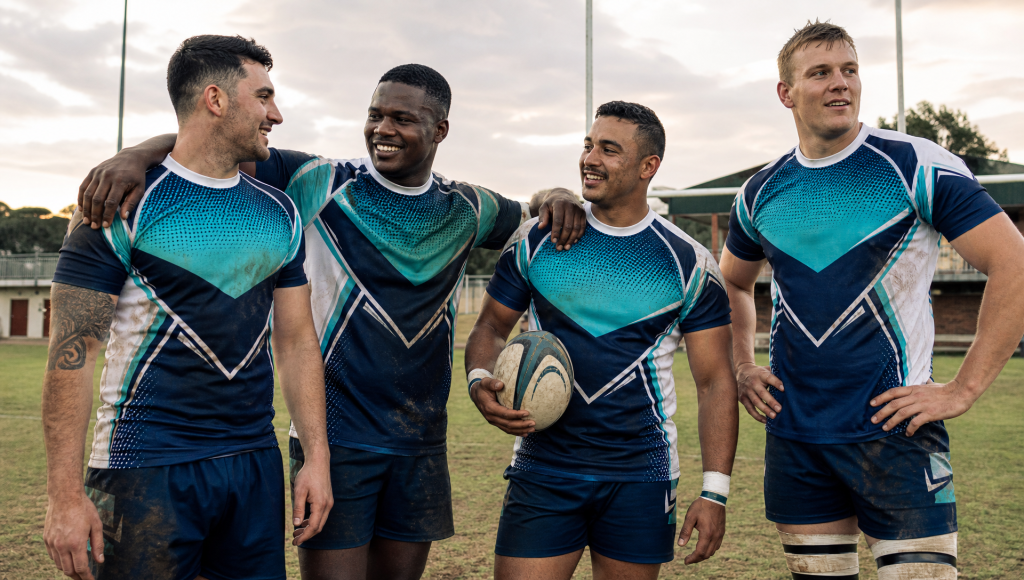
A rugby side may need a bold playing kit with player numbers and club colours. A school football team may need shirts, shorts and supporting apparel that still feels connected to the school identity. A netball group may begin with dresses, then add warm-up clothing or team jackets. Cycling, baseball, athletics, events and mixed sports programmes all bring their own garment combinations.
The point is not to order everything available. The point is to choose the pieces that make sense for the team, the people wearing them and the occasions where the clothing will be seen.
Separate the Main Kit From the Supporting Range
Your main sports kit usually carries the strongest visual identity. This is where team colours, sponsor marks, player numbers, names and sport-specific layout choices matter most. The garment must suit the code, but it also needs to represent the team clearly from the first glance.
CRC supports sport-specific routes such as Custom Rugby Kits, Custom Football Kits, Custom Netball Dresses and Custom Cycling Jerseys. These examples show why the sport should be identified early. A jersey, dress, kit or event garment does not carry artwork, names and numbers in exactly the same way.
The supporting range extends that identity beyond the game itself. Tracksuits can help a squad arrive together. Hoodies and jackets can suit travel days, cooler conditions or club environments. Polo shirts and T-shirts may be useful for coaches, staff, branded events or general teamwear. These garments do not all have to perform the same role, but they should share a clear visual direction. A consistent colour palette, logo treatment and design language keeps the full range connected.
Design Decisions Should Come Before the Order Gets Busy
Custom sportswear becomes harder to manage when design choices are left until after sizes, names, numbers and quantities have already been collected. A better route is to define the visual direction early: the team colours, logo positions, sponsor details, name and number treatment, and any garment-specific design requirements.
You do not need to arrive with finished production artwork. CRC’s website confirms that design support is available, which is useful when you have a badge, a sponsor logo, a colour reference or an old kit, but still need help turning those pieces into a coordinated garment layout. Design support also helps when the main kit and supporting apparel need to feel related without copying the exact same layout onto every item.
Branding method also belongs in the design conversation. Sublimation printing can suit detailed full-garment designs where colour, pattern and layout form part of the overall garment. Embroidery may suit selected supporting garments where a logo or badge needs focused placement, such as on certain polo shirts, jackets or other branded apparel. The right option depends on the garment, artwork and branding requirement, so it should be confirmed during the quote and design stage rather than assumed at the start.
For technical background on the process, Epson’s digital-printing primer explains that dye-sublimation uses heat to transfer dye into polyester-based fabric, a common approach for athletic apparel.
Prepare the Information That Shapes the Quote
A quote-ready custom sportswear request gives CRC enough information to understand the team, the garments and the level of personalisation involved. You can still ask for guidance, but the order moves more cleanly when the main details are gathered before the conversation starts.
Prepare the following where possible:
- Sport or activity: rugby, football, netball, cycling, baseball, school sport, club sport, event apparel, staff sport or another team requirement.
- Garment types: playing kit, jerseys, dresses, sports shorts, vests, tracksuits, hoodies, jackets, polo shirts, T-shirts or a mixed range.
- Quantities: how many garments are needed in each style or category.
- Colours: team, school, club or brand colours that should guide the design.
- Logos and branding: team logos, sponsor logos, school badges, business marks or event branding.
- Names and numbers: any player, learner, staff or member details that must appear on specific garments.
- Sizing information: size breakdowns, wearer lists or the method you will use to collect sizes from the group.
- Design direction: existing artwork, reference kits, layout ideas or notes on how the finished range should look.
- Timing needs: any event date, season start or deadline that should be considered when the order is reviewed.
This information turns a loose custom sportswear South Africa enquiry into a structured brief. It also helps prevent common gaps, such as missing sponsor artwork, incomplete number lists, unclear size allocations or uncertainty about which garments need branding.
Keep Names, Numbers and Sizes Under Control
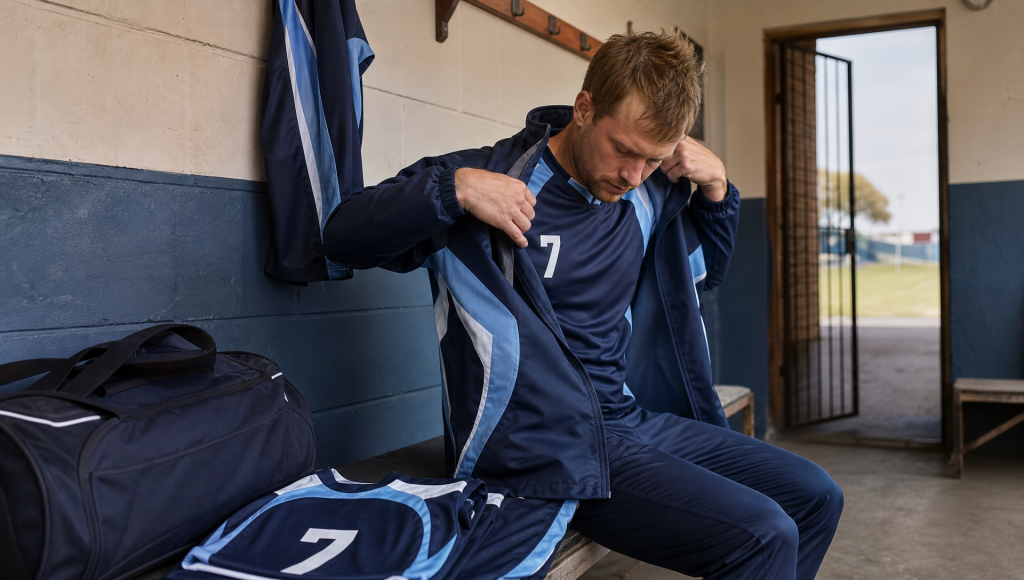
Team orders often include small details that have a large effect on the final result. One player may need a specific shirt number. A netball dress may need to match a particular size and name. A cycling jersey order may include individual sizing across the group. Staff garments may need logos but no names. Supporter items may need different branding again.
The safest way to manage this is to keep the order information clean and consistent. Match each person to the correct garment, size, name spelling and number. Separate players from coaches, staff, substitutes, supporters or event participants where the garment requirements differ. If some items do not need names or numbers, record that clearly so there is no confusion during review.
Approval deserves the same attention. Before production moves forward, your team should be comfortable with the colours, logo placement, sponsor positions, name and number treatment, and the overall layout direction. This is especially important when one identity is being carried across several garments. A tidy approval stage helps the full range stay aligned.
One Supplier for the Kit, Apparel and Design Process
A school may need more than one sport under the same badge. A club may need playing kit for athletes and branded clothing for coaches. A business may need sports-themed apparel for an internal league, event or wellness programme. A reseller may need support across several custom apparel categories. The garment mix changes, but the planning principle stays the same: the order should make sense across the people, the sport, the use case and the identity being presented.
CRC manufactures garments in-house and offers design support, which allows the order to be approached as one coordinated custom teamwear project. Instead of treating the kit, tracksuits, hoodies, jackets, polo shirts and T-shirts as separate purchases, you can brief the full requirement in one place and make decisions around the complete range.
That matters when colour consistency, logo use and garment roles all need to be considered together. The match kit may define the team in action, while the complementary apparel helps the wider group look connected around the game, event or season. When those decisions are planned together, the finished range has a clearer identity.
Request a Custom Sportswear Quote
If you are planning custom sports kits, custom teamwear or branded sports clothing for a team, school, club, business, organisation or reseller order, start by gathering the details that matter most: sport, garment types, quantities, colours, logos, names, numbers, sizing information and any design requirements.
Send those details to CRC so the requirement can be reviewed as one coordinated custom sportswear project. When you are ready,
request a custom sportswear quote
with the information you have available.